
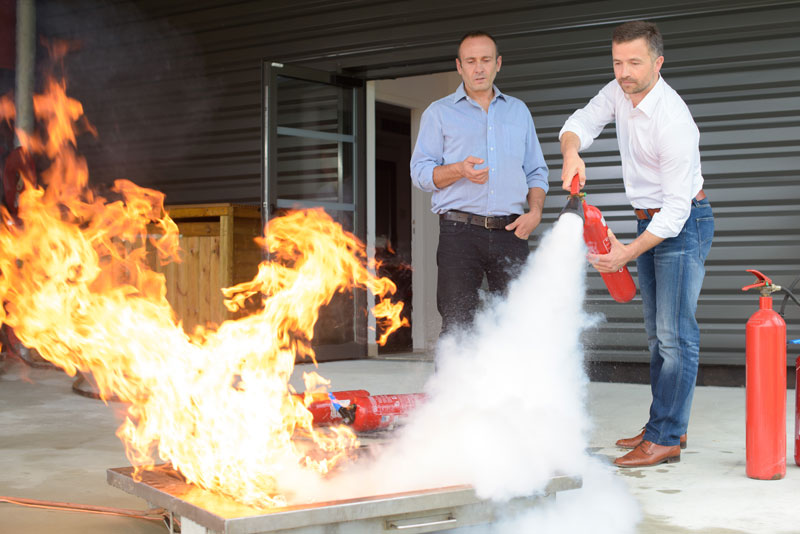
Every commercial kitchen—from fast-casual restaurants to hotel banquet facilities—runs on heat, flames, and constant activity. With so much cooking happening every day, grease travels upward into the kitchen hood and duct system, collecting slowly and silently. Over time, this buildup becomes a dangerous fuel source that can ignite instantly.
For Inland Empire restaurants and food-service operations, proper kitchen hood and duct cleaning is not just a health requirement—it’s one of the most critical fire prevention measures a business can take.
Why Grease Buildup Is the #1 Cause of Restaurant Fires
Grease fires spread faster and burn hotter than nearly any other type of fire. According to the National Fire Protection Association, restaurant cooking equipment is responsible for thousands of structural fires every year, with the majority caused by grease buildup inside kitchen exhaust systems.
Here’s the problem: grease accumulates in layers, starting with a thin film and progressing into thick, highly combustible deposits. Once ignited, these deposits can spread flames:
• Up into the ductwork
• Through the ventilation system
• Onto the roof
• Into attic spaces
• Across the kitchen ceiling
This is why fire departments and insurance companies strictly enforce cleaning schedules based on cooking volume and type. The more often you use fryers, woks, charbroilers, and griddles, the more frequently your system requires cleaning.
As the U.S. Fire Administration notes, consistent cleaning is essential to prevent “hidden fires” in ductwork—fires that often go unnoticed until they’ve spread beyond control.
Signs That Your Kitchen Hood System Needs Immediate Cleaning
Most kitchen staff don’t inspect ductwork or fan blades daily, so early warning signs often go unnoticed. Some indicators include:
• Strong or persistent grease odors
• Dripping grease from the hood
• Yellow or brown discoloration on hood surfaces
• Excessive smoke during normal cooking
• Sticky residue on backsplash or ceiling areas
• Reduced airflow or noisy exhaust fans
• Visible grease on filters after daily cleaning
If any of these symptoms appear, it means your hood system isn’t exhausting properly—which increases both fire risk and health hazards. Poor ventilation can also lead to elevated carbon monoxide levels, heat stress for staff, and violations during health inspections.
The FDA Food Code emphasizes that proper ventilation is a fundamental requirement for safe commercial kitchen operations.
What a Professional Hood & Duct Cleaning Includes
Kitchen hood cleaning is not the same as wiping surfaces. True NFPA 96-compliant service involves dismantling and cleaning the entire exhaust system from top to bottom. Professional technicians follow a multistep process that includes:
• Removing and degreasing filters
• Scraping and pressure-washing hood interior surfaces
• Cleaning exhaust ducts using mechanical brushes and heated chemicals
• Inspecting and cleaning fans, belts, and housings
• Degreasing and rinsing rooftop exhaust fans
• Removing grease from drip trays and catch areas
• Cleaning around access panels
• Documenting all work and providing before/after photos
This deep cleaning process eliminates both visible and hidden grease deposits. It also helps maintain ventilation efficiency, reduce odors, extend fan motor lifespan, and protect roofing materials from deterioration caused by dripping grease.
Code Compliance and Fire Inspection Requirements
Every commercial kitchen in the Inland Empire must follow NFPA 96 fire code standards. Compliance requires hood and duct cleaning:
• Monthly for high-volume cooking (fried chicken, BBQ, wok restaurants)
• Quarterly for standard restaurants
• Semi-annually for low-volume operations
• Annually for church kitchens or small food-service programs
Local fire inspectors often check for service tags, photos, and documentation proving the system is cleaned regularly. If your system is overdue, you may face:
• Failed fire inspections
• Insurance complications
• Temporary business closure
• Higher fire risk for staff and customers
Many insurance plans even require professional documentation after every cleaning. Without it, claims can be denied if a fire occurs.
Your Inland Empire Experts for Kitchen Hood & Duct Cleaning
Protect your restaurant, staff, and customers with certified service from Cal Counties Fire Protection. Our professional Kitchen Hood & Duct Cleaning keeps your kitchen compliant with NFPA 96, reduces fire risks, and ensures proper ventilation throughout the Inland Empire. Need your system inspected or cleaned? Contact us today and keep your kitchen safe, efficient, and fully compliant.