
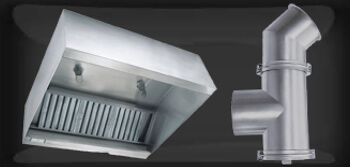
For any restaurant owner, a fire is the most devastating event that can occur. It can destroy your property, put you out of business, and endanger the lives of your employees and customers. While there are many potential fire hazards in a commercial kitchen, one stands out above all others as the leading cause of restaurant fires: grease buildup in the kitchen exhaust system. The hood, filters, and ductwork that make up your kitchen’s ventilation system are designed to remove smoke and grease-laden vapor, but over time, they become coated with a highly flammable layer of grease. Regular, professional cleaning of this entire system is not just a matter of cleanliness; it is the single most important fire prevention measure you can take.
Understanding the Fire Hazard
Your kitchen hood system is a natural pathway for fire. A simple flare-up on a cooktop or in a deep fryer can easily ignite the greasy residue that has accumulated on the hood filters directly above. Once this grease ignites, the flames can be sucked up into the ductwork, which acts like a chimney, allowing the fire to spread rapidly and often unseen through the walls and onto the roof of the building. A grease fire in a duct is extremely difficult and dangerous for firefighters to combat.
The statistics are clear. According to the National Fire Protection Association (NFPA), failure to clean cooking equipment is the leading cause of fires in eating and drinking establishments.
The Requirements of NFPA 96
The standard for ventilation control and fire protection of commercial cooking operations is NFPA 96. This standard is the code that is enforced by local fire marshals in the Inland Empire. It clearly states that the “entire exhaust system shall be cleaned by a properly trained, qualified, and certified company or persons.” This is not a job for your regular cleaning crew or kitchen staff. It requires specialized tools, chemicals, and safety protocols.
The frequency of this required cleaning depends on the type and volume of cooking you do:
- Monthly: For systems serving solid fuel cooking like wood- or charcoal-burning ovens.
- Quarterly: For high-volume cooking operations, such as 24-hour restaurants, charbroiling, or wok cooking.
- Semi-Annually: For moderate-volume cooking operations.
- Annually: For low-volume cooking, such as churches, day camps, or seasonal businesses.
The Professional Cleaning Process
A professional kitchen hood and duct cleaning is a thorough, top-to-bottom process.
- Preparation: The crew will cover all nearby cooking equipment and surfaces with heavy-duty plastic sheeting to protect them from cleaning residue.
- Cleaning the Hood and Filters: The removable hood filters are taken down and soaked in a degreasing solution. The interior and exterior of the hood canopy are scraped to remove heavy grease deposits and then cleaned with a food-safe degreaser.
- Cleaning the Ductwork and Exhaust Fan: This is the most critical part. The technicians will access the ductwork from the roof and use a combination of scrapers, high-powered pressure washers, and specialized grease-cutting chemicals to clean the entire length of the ductwork, from the hood all the way up to the rooftop exhaust fan. The fan itself is also disassembled and thoroughly cleaned.
After the service, the professional company will provide you with a certificate of cleaning, which is what your fire marshal and insurance inspector will want to see.
Your Inland Empire Kitchen Hood & Duct Cleaning Experts
Don’t let a greasy exhaust system become a catastrophic fire hazard. Regular, professional cleaning is a mandatory requirement for the safety and compliance of your food service business. For restaurant and facility managers throughout the Inland Empire, the team at Cal-Counties Fire Protection provides certified kitchen hood & duct cleaning. Contact us today to schedule your service.