
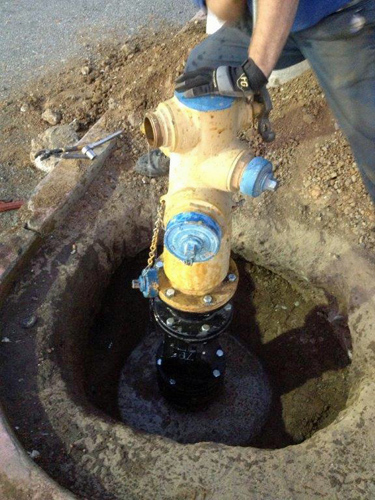
The fire hydrant is one of the most recognizable symbols of fire safety in any community. These sturdy iron sentinels line our streets, standing ready to provide firefighters with the massive volume of water they need to battle a blaze. A properly functioning fire hydrant is one of the most important tools a fire department has. However, a hydrant that is broken, non-functional, or inaccessible can lead to a disastrous delay in firefighting operations, potentially resulting in catastrophic property loss and even loss of life. This is why regular, professional inspection, testing, and maintenance of all fire hydrants—both public and private—is a critical public safety issue.
Anatomy of a Fire Hydrant
A fire hydrant is more than just an iron casting. It’s a complex valve that connects directly to the high-pressure water main buried underground. Key components include:
- The Main Valve: Located deep underground below the frost line, this is the primary valve that opens to allow water to flow into the hydrant barrel.
- The Operating Stem: This is the long rod that connects the operating nut on top of the hydrant to the main valve below. Turning the operating nut opens and closes the main valve.
- The Nozzles and Caps: These are the outlets where firefighters connect their hoses. They are protected by heavy-duty caps to keep out debris.
- The Drain Valve: After use, a small drain valve at the bottom of the hydrant allows all the water to drain out of the barrel to prevent freezing and corrosion.
Common Fire Hydrant Problems
Like any mechanical device, a fire hydrant can fail if not properly maintained.
- Mechanical Failure: The internal operating valve can become stuck or “frozen” due to rust or mineral buildup, making it impossible to open. The operating nut on top can be worn down or damaged by vandalism, preventing a firefighter’s wrench from getting a proper grip.
- Leaks: The seals and gaskets inside the hydrant can wear out over time, leading to underground leaks that can waste a tremendous amount of water and erode the soil around the hydrant, making it unstable.
- Inaccessibility: A hydrant can become useless if it is blocked by overgrown landscaping, parked cars, or other obstructions.
- Low Flow or Pressure: Internal corrosion or a partially closed valve in the water main can lead to a hydrant that produces insufficient water flow and pressure for firefighting.
The National Fire Protection Association (NFPA), in its NFPA 25 standard, outlines the detailed requirements for the inspection, testing, and maintenance of water-based fire protection systems, including private fire hydrants, to ensure they are always in a state of readiness.
The Professional Maintenance Process
Professional fire hydrant maintenance is a comprehensive process. A certified technician will:
- Visually inspect the hydrant for any external damage, check for accessibility, and ensure the caps are in place.
- Operate the hydrant, opening the valve fully to ensure it functions smoothly.
- Flow the hydrant, flushing it with a large volume of water to clear out any sediment and to take static and residual pressure readings to ensure it can provide adequate water flow.
- Check for proper drainage after the valve is closed to ensure no water is left in the barrel.
- Lubricate the operating nut and nozzle cap threads.
This regular service is essential for any private fire hydrants located on commercial properties, in apartment complexes, or in private communities throughout the Inland Empire.
Your Inland Empire Fire Hydrant Service Experts
A functional fire hydrant is a non-negotiable part of property and community safety. For property owners and managers throughout the Inland Empire, the team at Cal-Counties Fire Protection provides expert fire hydrant service, including testing, maintenance, and repair. Contact us today to ensure your fire hydrants are ready for an emergency.