
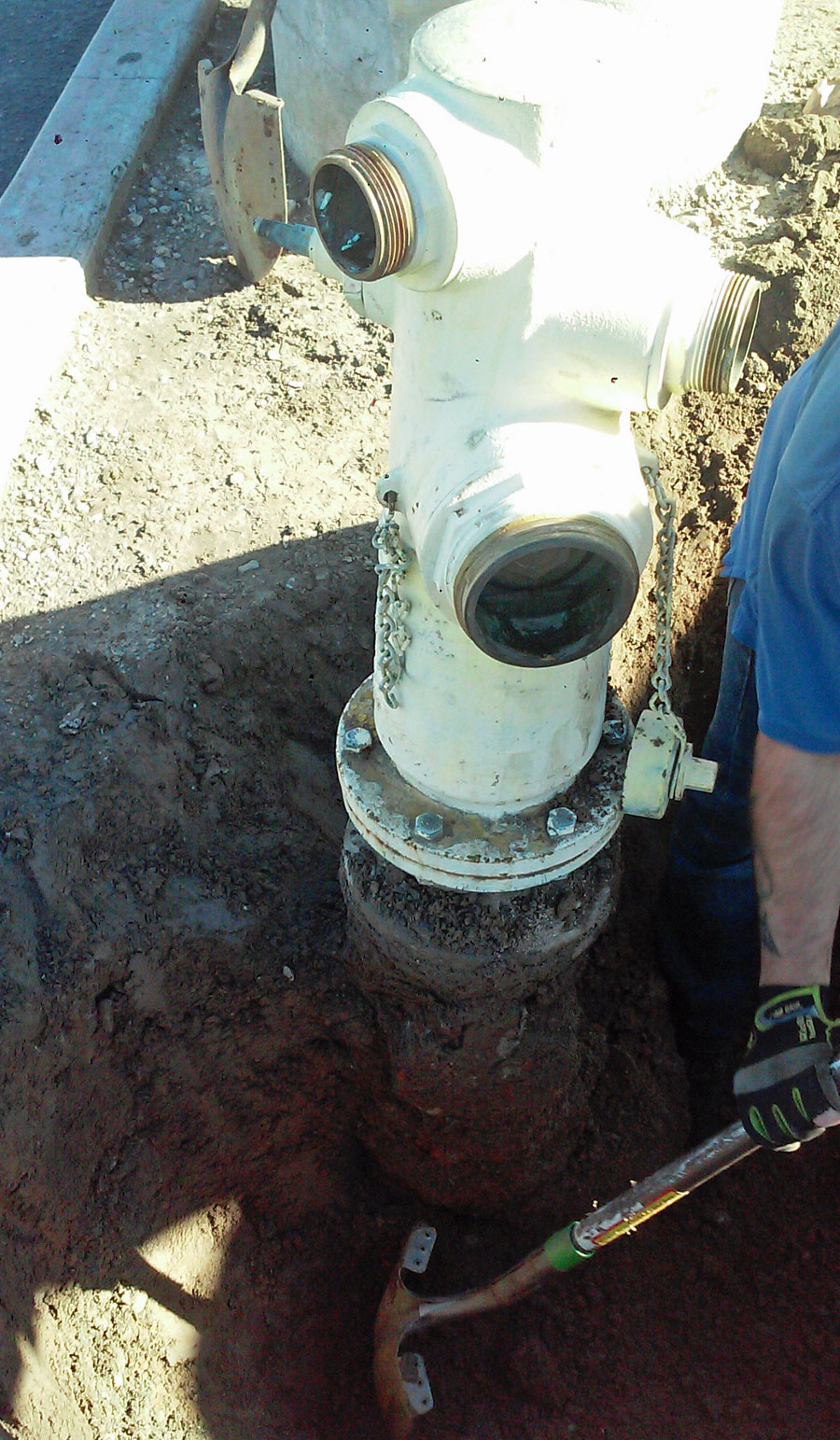
Fire hydrants are one of the strongest lines of defense during a commercial or industrial fire, yet they are also among the most neglected. Many property owners assume hydrants “just work,” but in reality, hydrants can quietly deteriorate underground, lose pressure, or fail entirely without visible signs. In the Inland Empire—where large industrial parks, commercial plazas, and expanding residential communities rely heavily on reliable water flow—proper fire hydrant service is essential not just for safety, but for legal compliance and liability protection.
Why Fire Hydrants Fail and How It Impacts Property Owners
Fire hydrants are mechanical devices with multiple moving parts, seals, valves, and underground connections. Over time, corrosion, temperature changes, soil movement, and water mineral buildup can compromise their performance. According to the U.S. Fire Administration, inadequate water supply is one of the leading contributors to large-loss fires in commercial properties.
When hydrants fail, they usually fail in one of three ways:
• Insufficient water flow or pressure — caused by mineral buildup, stuck valves, or underground pipe deterioration.
• Damaged operating stems or caps — often from vehicle impacts or vandalism.
• Complete failure — from invisible underground leaks or rusted components.
Any of these issues can leave firefighters unable to control a blaze, turning what could have been a contained incident into a catastrophic event. Beyond this, a single failed hydrant can cause a business to fail its fire inspection, delaying occupancy permits or resulting in costly fines.
What Professional Fire Hydrant Service Really Involves
Proper fire hydrant maintenance goes far deeper than a quick visual check. Certified technicians follow a detailed multipoint process to ensure hydrants can deliver full, reliable performance in any emergency. A complete service typically includes:
• Full-flow testing to measure actual water flow and pressure
• Lubrication of stems, caps, and operating mechanisms
• Inspection for leaks at the flange, bonnet, and underground connections
• Valve exercising to prevent lockup or stiffness
• Measuring static and residual pressures to confirm water system health
• Removing and cleaning nozzle caps
• Checking outlet threads for compatibility with local fire departments
• Applying fresh paint and protective coatings to prevent corrosion
Hydrant flow tests are particularly important. These tests use calibrated diffusers and gauges to simulate real emergency demand. According to NFPA (National Fire Protection Association), hydrants must meet specific flow and pressure levels depending on the occupancy type and fire risk category of the surrounding property.
For properties in hotter Inland Empire areas—such as Riverside, San Bernardino, and Moreno Valley—sun exposure, soil dryness, and mineral-rich water can cause faster hydrant wear, making annual testing even more critical.
Legal Requirements and Why Compliance Matters
Inland Empire properties are required by local fire departments and NFPA 291 standards to perform regular hydrant inspections and documented flow tests. Any commercial, industrial, HOA, apartment complex, or private property with on-site hydrants must keep them fully operational and up to code.
Failing to comply can lead to:
• Failed fire inspections
• Delayed construction approvals
• Liability exposure in the event of a fire
• Insurance coverage issues if hydrants aren’t properly maintained
• Fines or citations from local fire authorities
The California State Fire Marshal emphasizes that fire protection equipment must always be “readily accessible, properly tested, and fully functional.” A hydrant that appears to work but produces low flow under pressure is considered noncompliant.
Property managers, facility directors, and building owners rely on certified service companies to provide documentation, testing results, and compliance records required during annual or pre-inspection reviews.
Your Inland Empire Experts for Fire Hydrant Service
Protect your property, meet local fire codes, and guarantee reliable water flow when it matters most with Cal Counties Fire Protection. Our certified technicians provide comprehensive Fire Hydrant Service for commercial buildings, industrial facilities, HOAs, and private hydrant systems across the Inland Empire. Need flow testing, full inspection, or compliance documentation? Contact us today and keep your hydrants ready for the moment they’re needed most.